Grand Transitions by Vaclav Smil
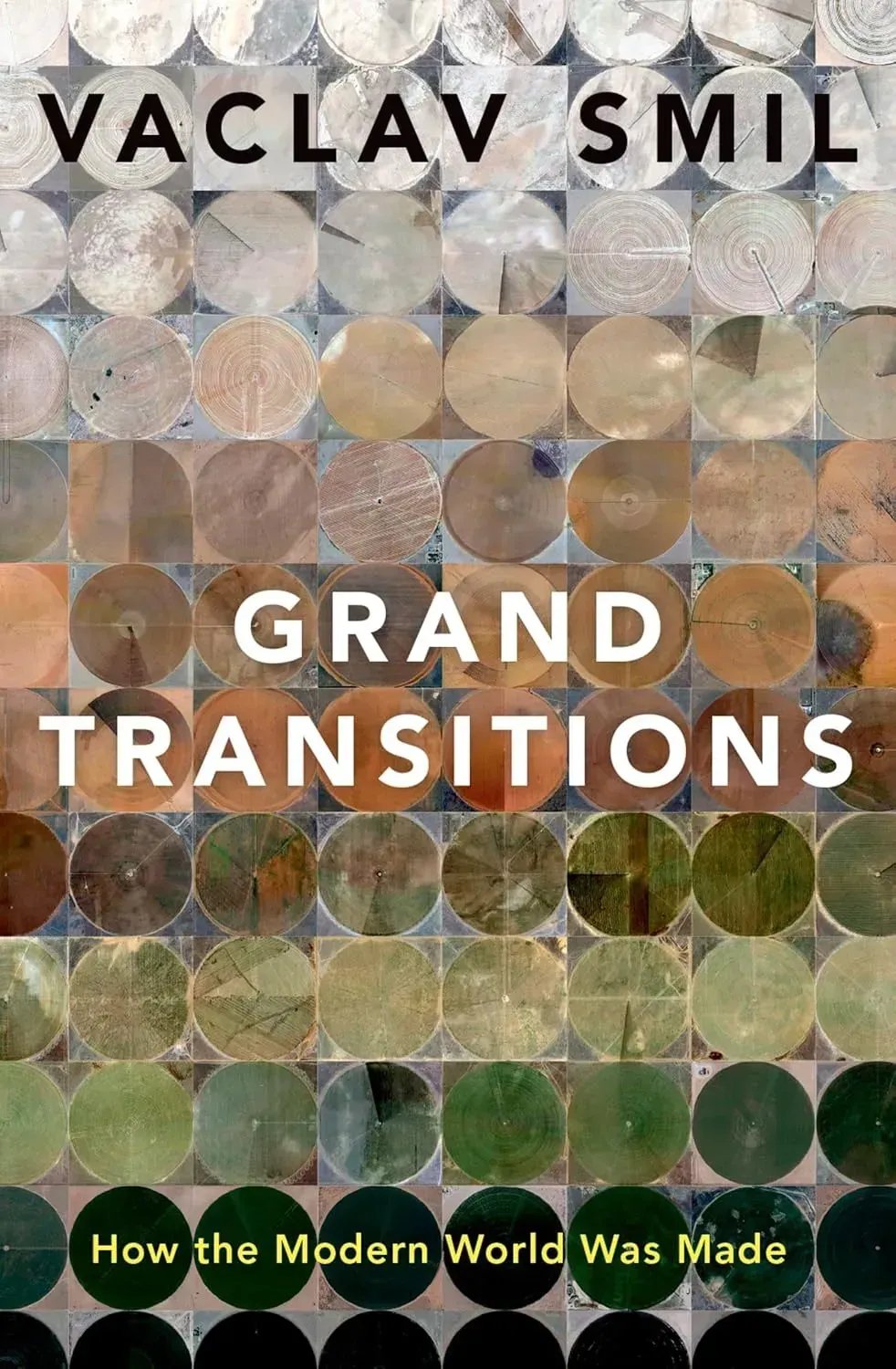
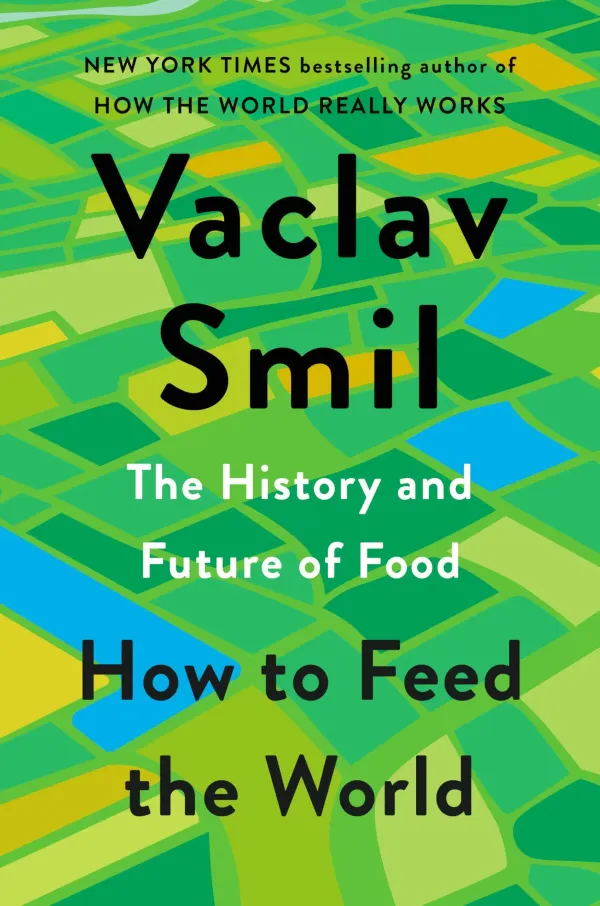
Where 'How to Feed the World' focuses on one survival pillar, this book by Vaclav Smil zooms out to energy and economics. I want to read this demanding book to better understand the macro-systems driving human progress.
Since I am already preparing to read the specifics of global agriculture in How to Feed the World, tackling his broader work, “Grand Transitions” feels like the natural next/parallel step. Where his writing on food focuses deeply on a single pillar of survival, this book zooms out to examine the macro-systems like energy, population, and economics that have driven human progress. I am approaching this read as a way to step back and view the entire tapestry of modern civilisation, hoping to understand the historical shifts that have brought us to this moment.
People praise Smil’s ability to connect long-term demographic trends with energy transitions and economic growth, showing how they all move together. I want to read this to observe how a researcher connects the dots across completely different domains to build a cohesive picture of human evolution. Grasping how these massive, interconnected transitions operate is something I hope will permanently broaden how I view global news, history, and future projections.
That being said, a consistent warning I have read online about “Grand Transitions” is its overwhelming density. Critics often say it lacks a narrative arc and reads like an uncompromising textbook. I am going into this fully expecting a demanding marathon rather than a casual read over a few weeks. The discomfort of a largely academic text could improve my ability to digest and retain complex, long-form information. (-‿-")
I’ve also noticed reviewers cautioning that the book offers very little in the way of comforting answers, often bordering on a fatalistic view of our future limits. It is supposedly very blunt about the physical boundaries of continued global growth. I want to approach these stark conclusions objectively, using them to challenge my own assumptions about infinite progress. My goal isn’t to walk away feeling pessimistic, but rather to practice sitting with uncomfortable, complex realities without immediately demanding simple, feel-good solutions.
By pairing this with his other work, I hope to gain a source/foundation of how our world actually functions on a material level. Whether I end up agreeing with his seemingly rigid conclusions or not, exposing myself to this level of rigorous macro-analysis is the kind of holistic learning I am striving for. I am ready to take my time with it, knowing the density is just the price of admission for such a vast perspective.