How to Feed the World by Vaclav Smil
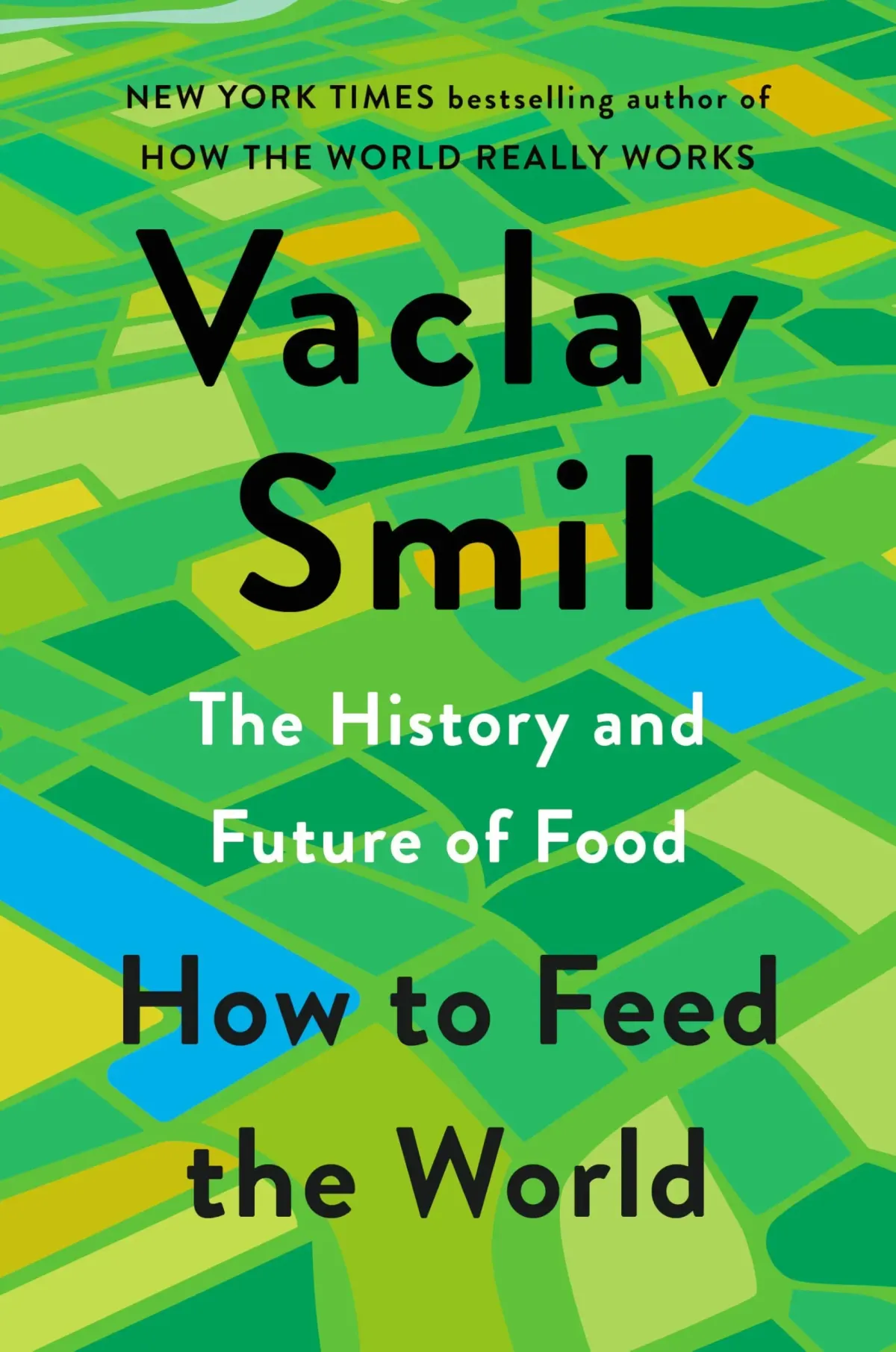
Getting ready to read this book to ground myself in physical realities. I want to see how Vaclav Smil synthesises agronomy and economics to explain the hidden complexities of food production, without the political noise.
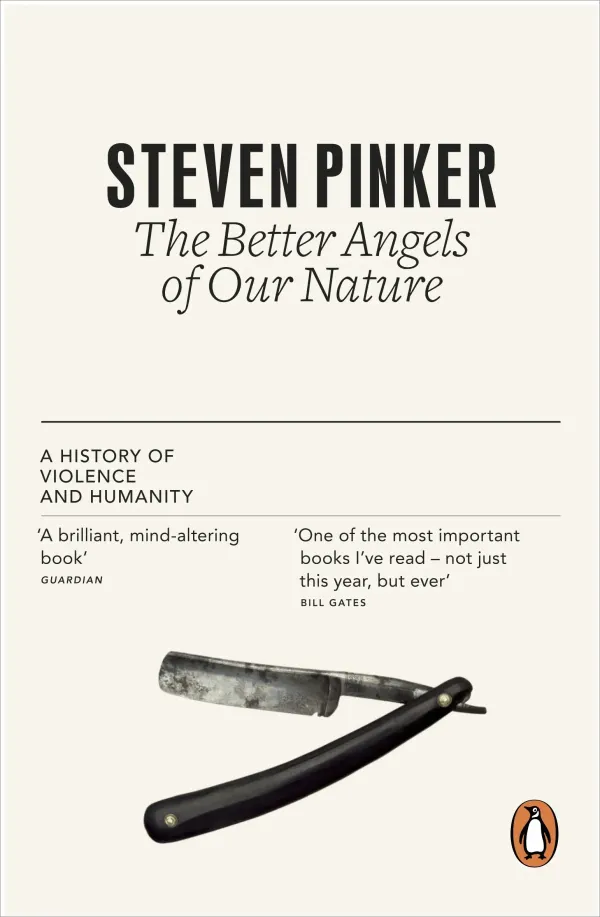
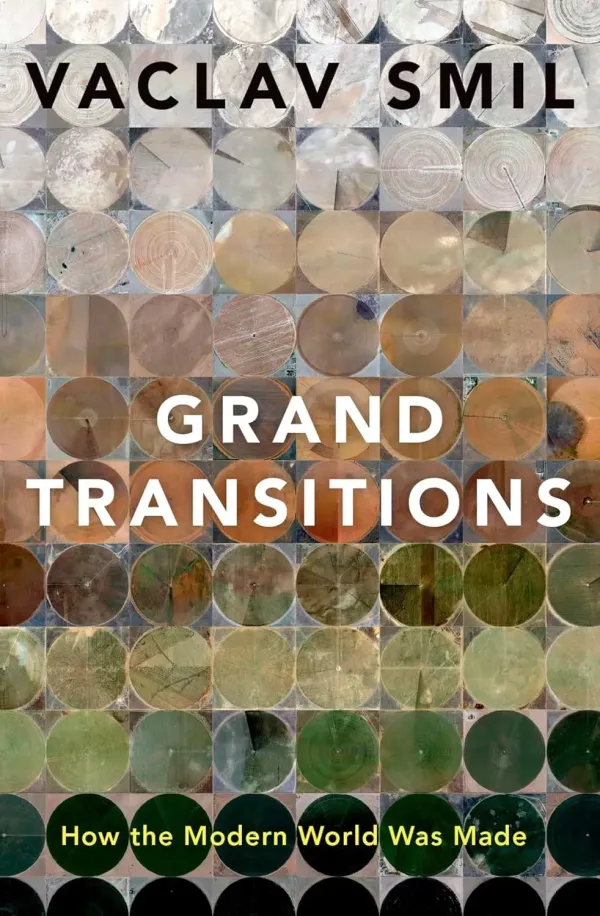
While my reading of Steven Pinker is primarily about understanding the behavioural and historical trajectory of humanity, I am picking up Vaclav Smil’s “How to Feed the World” to ground myself in our sheer physical realities. Smil has a reputation for being fiercely pragmatic, focusing on the material constraints of human survival rather than philosophical ideals. I am treating this book as an opportunity to educate myself on the most fundamental pillar of our civilisation (agriculture and food production) without the noise of modern political debates. It feels like a necessary anchor to balance out the more abstract historical theories I’ve been exploring.
One of the most praised aspects of this book is Smil’s multidisciplinary approach. Reviewers have highlighted how he weaves together agronomy, economics, and environmental science to paint a complete picture of global food systems. I am eager to learn how a researcher synthesises such distinct scientific fields to explain everyday realities. Additionally, the book is highly regarded for its myth-busting qualities, stripping away popular misconceptions about food production. I want to absorb this kind of clear-eyed, reality-based thinking to better understand the hidden complexities behind the basic resources we often take for granted.
Many readers warn that the book can be incredibly dry and heavy on statistics, sometimes reading more like an academic paper than narrative non-fiction. Rather than letting that discourage me, I view it as a personal challenge to build my patience with dense, purely informational texts. Learning to sit with unvarnished data without needing it wrapped in an entertaining story is a mental muscle I am actively trying to strengthen.
Another common criticism is that Smil can be quite dismissive of “green tech” optimism, sometimes coming across as overly sceptical of modern technological solutions to food crises. I plan to read these sections carefully, keeping an open mind so I don’t just adopt his scepticism wholesale. I want to understand his baseline arguments about physical constraints while leaving room for the possibility that human innovation might still surprise us. It’s about finding a balanced perspective between extreme techno-optimism and stark environmental fatalism.
Ultimately, reading this is about cultivating a deeper respect for the fragile systems that keep the world running. Even if I am likely to find the writing style a bit overwhelming (•‿•;), the core knowledge feels like it is important for a well-rounded understanding of global challenges.